ANAGI GUNASEKERA
Deakin Vice-Chancellor’s Scholar | Educator | Learning Designer | Musician | Founder of Goodville
Senior Peer Mentoring
Supporting students, developing mentors and contributing to stronger student experiences at Deakin University.

From mentee to mentor
My journey with Deakin’s Peer Mentoring Program began as a mentee, where I experienced first-hand the value of friendship, support and belonging at university. I later returned as a Peer Mentor to help create that same sense of connection for other Arts and Education students.
I enjoyed finding creative ways to bring students together, facilitate conversations and make university feel more approachable. My work was recognised with the Most Engaging Mentor Meeting award, and I became increasingly involved in panels, classroom visits, orientation activities and wider student engagement.
Experiencing the program from both sides strengthened my appreciation for belonging, peer connection and timely support in helping students transition into university life.
Role: Senior Peer Mentor
Organisation: Deakin University, Faculty of Arts & Education
Focus: Student transition · Mentor development · Facilitation · Belonging · Program improvement
Progression: Mentee → Peer Mentor → Senior Peer Mentor
Selected as one of three Senior Peer Mentors from a team of approximately 30 mentors.


Stepping into senior mentoring
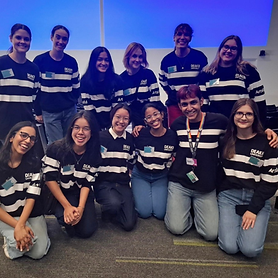
My involvement eventually grew beyond supporting my own mentees. I was selected as one of three Senior Peer Mentors from a team of around 30 mentors across multiple campuses, following the program coordinators’ observations of my mentoring, engagement and contribution over time.
In this role, I moved from supporting students directly to helping other mentors build the confidence and skills to support their own mentees, while also thinking more broadly about the people, structures and systems shaping the student experience.
What I contributed
-
Facilitated mentor training, meetings and development conversations
-
Supported mentors when challenges emerged with their mentees or mentoring practice
-
Observed and reflected on mentoring practice and provided constructive feedback
-
Worked across different mentor groups and supported communication within the wider program
-
Contributed ideas for improving the mentor and student experience
-
Reviewed student feedback and program information to identify challenges and possible improvements
-
Helped adapt approaches throughout the trimester as student and mentor needs emerged
-
Worked alongside the Student Transition Team to support program delivery


Growing as a facilitator
Senior mentoring also gave me opportunities to communicate with students beyond one-to-one mentoring.
I contributed to student orientation, mentor training, panels and program presentations, working alongside university staff and other student leaders to introduce students to the support available to them and help create a welcoming start to university life.
These experiences strengthened my confidence in facilitation, public speaking and adapting communication to different audiences, while reminding me that effective student engagement is often less about simply delivering information and more about making people feel comfortable enough to participate, ask questions and connect.

Looking beyond individual interactions
Working more closely with the Student Transition Team gave me a broader view of everything happening behind the scenes of a student experience.I began thinking not only about whether an individual mentoring conversation had gone well, but also about questions such as:
Where are students disengaging?
What support do mentors need?
What patterns are emerging in feedback?
What could we adapt to improve the experience next time?
Contributing to discussions around feedback, program challenges and future improvements strengthened my interest in learner experience, program design and continuous improvement.

What I learned about leadership
One of the most valuable things this role has taught me is that effective leadership does not always mean stepping in with an answer.Sometimes it means listening carefully, asking the right question, helping someone think through a situation, or creating enough structure and encouragement for them to find their own way forward.
Working across different personalities, experiences and needs has also strengthened my understanding of facilitation, communication and belonging. It has made me increasingly interested in the systems surrounding learners - how programs are structured, how people experience them, where students might disengage, and what we can design differently to help them feel supported.
From being supported to supporting others
From entering the program as a mentee to helping shape the experience of students and mentors who came after me, Peer Mentoring has become a significant part of my university journey.
It has strengthened my facilitation, communication, teamwork and leadership, while deepening my interest in student belonging, learner experience and continuous program improvement.
More than anything, it has shown me what can happen when educational communities are willing to listen, adapt and learn with one another.